
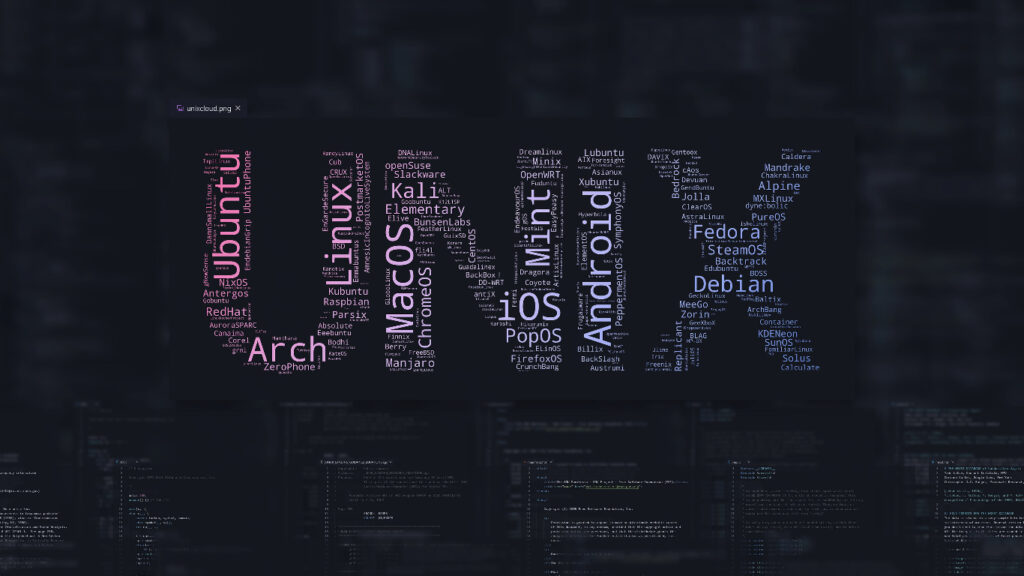
Linux is a reliable and secure operating system that many companies and individuals around the world use for networking and server support. Those who understand how to use Linux can improve computer security, customize networking, revive older computer systems and change the Linux software code. If you’re interested in a career in information technology (IT), computer science, software development or cybersecurity, you may benefit from taking a Linux course.
Linux Level 1
1) Getting started with Linux
Describe and define open source, Linux and Linux distributions.
2) Installations, Features and System Requirements
3) Using the Shell and Navigation
4) Managing Files
5) Managing Local Users and Groups
6) Access Control and Permissions
7) Monitor and manage Linux Processes
8) Installing and updating software
9) Networking
Linux Level 2
1) Introduction
2) Virtual Systems Configuration
3) System Configuration
4) iSCSI Configuration
5) NTP Services
6) Authentication Services
7) Network Services
8) Database Services
9) DNS Services
10) Web Services
11) NFS Services
12) SMB Services
13) SMTP Services
14) SSH Services
15) Conclusion
Professional Certifications and Examinations
Linux Professional Institute
Linux Professional Institute Linux Essentials
Show employers that you have the foundational skills required for your next job or promotion. With Linux Essentials.
Linux adoption continues to rise world-wide as individual users, government entities and industries ranging from automotive to space exploration embrace open source technologies. This expansion of open source in enterprise is redefining traditional Information and Communication Technology (ICT) job roles to require more Linux skills. Whether you’re starting your career in open source, or looking for advancement, independently verifying your skill set can help you stand out to hiring managers or your management team.
The Linux Essentials certificate also serves as a great introduction to the more complete and advanced Linux Professional certification track.
Current version: 1.6 (Exam code 010-160)
Objectives: 010-160
Prerequisites: There are no prerequisites for this certification
Requirements: Passing the Linux Essentials 010 exam. The Linux Essentials exam contains 40 questions and must be completed within 60 minutes.
Validity period: Lifetime
Source:
Linux Professional Institute LPIC-1
The world’s largest and most recognized Linux certification
LPIC-1 is the first certification in the multi-level Linux professional certification program of the Linux Professional Institute (LPI). The LPIC-1 will validate the candidate’s ability to perform maintenance tasks on the command line, install and configure a computer running Linux and configure basic networking.
The LPIC-1 is designed to reflect current research and validate a candidate’s proficiency in real world system administration. The objectives are tied to real-world job skills, which we determine through job task analysis surveying during exam development.
Current version: 5.0 (Exam codes 101-500 and 102-500)
Prerequisites: There are no prerequisites for this certification.
Requirements: Passing the 101 and 102 exams. Each 90-minute exam is 60 multiple-choice and fill-in-the-blank questions.
Validity period: 5 years unless retaken or higher level is achieved.
Source:
https://www.lpi.org/our-certifications/lpic-1-overview/
Linux Professional Institute LPIC-2
LPIC-2 is the second certification in the multi-level professional certification program of the Linux Professional Institute (LPI). The LPIC-2 will validate the candidate’s ability to administer small to medium–sized mixed networks.
Current version: 4.5 (Exam codes 201-450 and 202-450)
Prerequisites: The candidate must have an active LPIC-1 certification to receive the LPIC-2 certification.
Requirements: Passing exams 201 and 202. Each 90-minute exam is 60 multiple-choice and fill-in-the-blank questions.
Validity period: 5 years unless retaken or higher level is achieved.
Source:
https://www.lpi.org/our-certifications/lpic-2-overview/
Summary of LPI Certifications
Linux Professional Institute (LPI) is committed to the development of a global standard in Linux and Open Source certification. We believe that such a certification program must meet the requirements of both IT professionals and the organizations that would employ them. To achieve this goal we have adopted an open, rigorous, and consultative development process, which uses both volunteer and hired resources. Our development process is widely recognized and endorsed and has met the strict requirements of independent certification authorities.
— Linux Essentials
— Linux Professional
Source:
Summary of LPI Certifications
CompTIA
CompTIA Linux+
CompTIA Linux+ proves you have the skills administrators need to secure the enterprise, power the cloud and keep systems running.
Source:
https://www.comptia.org/certifications/linux
EXAM CODE XK0-005
CompTIA Linux+ validates the competencies required of an early career systems administrator supporting Linux systems.
CompTIA Linux+ proves you have the skills required to support today’s tech systems
What Skills Will You Learn?
System Management
Configure and manage software, storage, processes and services
Security
Understand best practices for permissions and authentication, firewalls, and file management
Scripting, Containers and Automation
Create simple shell scripts and execute basic BASH scripts, version control using Git and orchestration processes
Troubleshooting
Analyze system properties and processes and troubleshoot user, application and hardware issues
Class schedules
These classes are only by special arrangements.